HISTORICAL ARCHIVE · WIDER-BARCELONA · 2007—2023
W.I.D.E.R. · B2007—2023
Barcelona · Vall d’Hebron

W.I.D.E.R. Barcelona

World Institute for Digestive Endoscopy Research in Barcelona

WIDER-Barcelona was created to explore how far endoscopy could go when it moved beyond diagnosis and into surgery. Experimental research, clinical innovation and international training developed around NOTES and the emerging field of therapeutic endoscopy.

WIDER-Barcelona has concluded its activity. This site preserves the memory of its work, its research, its courses and the documents produced by the project.

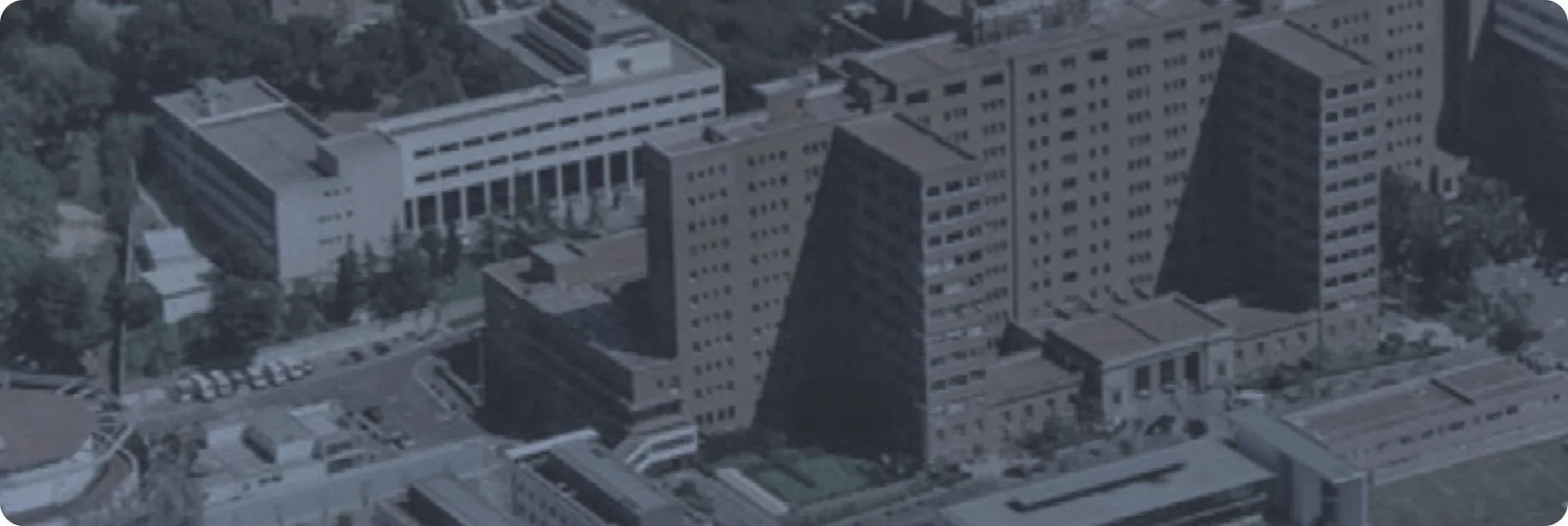
Vall d’Hebron University Hospital, Barcelona
Institutional launch
2009 · €10m
”la Caixa” · Catalan Government · Vall d’Hebron · VHIR
Expansion
2019 · €4.15m
Artis Pheno and new room
Director
Josep Ramon
Armengol-Miró
Archive
14 courses
14 WIDER News
What it was

An institute investigating endoscopy as surgery

WIDER-Barcelona started from an idea that was still experimental: using a flexible endoscope to reach the abdominal cavity through natural orifices and perform procedures that had previously belonged to surgery. At Vall d’Hebron, the centre investigated NOTES, developed and tested instruments, translated advances into clinical practice and trained specialists for this shared therapeutic territory.

Technology

Materials, endoscopic instruments, suturing and prototype testing.

Experimentation

Animal models, peritoneal access, closure and validation of new techniques.

Clinical work

Application in patients of procedures previously developed and evaluated.

Training

An international course bringing together endoscopists, gastroenterologists and surgeons.

What it did

From the animal laboratory to the operating room

Experimental work, clinical application, technology and training developed in parallel.

Experimental programme

Access, intervene and close again

The team studied transgastric, transvaginal and other access routes, orientation inside the cavity and, above all, reliable closure. WIDER’s first experimental publication reports 90 procedures and compares clips, T-bars and endoscopic suturing.

Closure and suturing

Testing whether a closure could hold

Collaboration with Per-Ola Park’s Swedish group developed an in-vivo model to compare the strength of different techniques for closing gastric NOTES incisions.

International course

An open laboratory of ideas

The annual course combined lectures with live demonstrations. Over time it incorporated POEM, therapeutic EUS, advanced resection, hybrid surgery, obesity treatment, robotics, 3D imaging and artificial intelligence.

Timeline

WIDER, year by year

Research, clinical work, technology and training belong to the same story.

2009

WIDER-Barcelona is formally established

”la Caixa”, the Government of Catalonia, Vall d’Hebron and its research institute sign the agreement that gives the centre its formal structure. The initial €10 million commitment supports technology, experimental NOTES, clinical innovation and training. The third course is also held and the team publishes its initial experimental results.

2010

Closing safely

The fourth edition reflects the central obstacle in NOTES: access alone was not enough; closure had to be reliable. The team continues comparing suturing and closure systems, while the course adds robotics, single-port surgery, resection and therapeutic endoscopy.

2012

Two full-thickness resections

WIDER publicly presents two patients treated by full-thickness endoscopic resection — one colonic and one gastric — with continuous suturing and no laparoscopic support. The clinical experience sums up the project’s original aim: translating techniques developed and tested in the laboratory to selected patients.

2013

Advanced resection and validation

WIDER work is presented at DDW, EURO-NOTES and other international meetings. Abstracts on full-thickness endoscopic resection and closure of perforations connect animal models with initial clinical experience, while the seventh course broadens the discussion to hybrid techniques and therapeutic EUS.

2015

Interventional endoscopy

The ninth edition brings together ESD, full-thickness resection, suturing, drainage, POEM, Barrett therapy and endoscopic obesity treatment. Many ideas born around NOTES — creating access, closing defects, tunnelling or connecting structures — now have clinical paths of their own.

2016

Ten years of courses, a different field

The tenth course takes stock of a decade of change: POEM, STER, therapeutic EUS, suturing, resection and endoluminal surgery have replaced the early focus on simply demonstrating transluminal access. A future multifunctional hybrid room is also announced to integrate imaging and intervention.

2019

A new agreement and Artis Pheno

The ”la Caixa” Foundation renews and expands its support with €4.15 million through 2022 for Artis Pheno and the expansion of the Vall d’Hebron–WIDER Barcelona Digestive Endoscopy Service. The new room combines endoscopy with robotic 3D radiological imaging. The thirteenth course also adds artificial intelligence, navigation, advanced resection and new suturing methods.

2020

The course stops; activity does not

The pandemic prevents the annual course, but WIDER maintains live connections and transmissions with centres in China, Japan, Korea, Colombia and Russia. The team prepares the next edition while the pandemic changes endoscopy practice itself.

2021

A final course, now hybrid

The fourteenth course returns in a hybrid format. The programme reviews artificial intelligence, robotic platforms, ESD and EFTR, G-POEM, therapeutic EUS, pancreatobiliary drainage, precision surgery and endoscopic obesity treatment. The seventh edition of Digestive Endoscopy Terminology is also presented.

2022—2023

The end of a chapter

Josep Ramon Armengol-Miró dies in Barcelona in 2022. The project, built over many years around his leadership and the collaboration of endoscopy, surgery and research, does not resume its activity. This archive closes its historical record in 2023.

Scientific output

What was published

A selection of work reflecting WIDER’s research lines. The scientific reports preserve the broader record of publications, congress communications and international activity.

  1. 2009Natural orifice transluminal endoscopic surgery (NOTES): initial experimental results. Olsina Kissler JJ et al. Cirugía Española 85(5):298–306.
  2. 2011New endoscopic suturing device for closure of chronic gastrocutaneous fistula in an immunocompromised patient. Armengol-Miró JR et al. Endoscopy 43 Suppl 2.
  3. 2012A new in vivo method for testing closures of gastric NOTES incisions using leak of the closure or gastric yield as endpoints. Azadani A et al. J Laparoendosc Adv Surg Tech A 22(1):46–50.
  4. 2013Full-Thickness Endoscopic Resection of Gastrointestinal Cancer: From Animal Experiments to Humans. Armengol JR et al.
  5. 2013Endoscopic Closure of Iatrogenic Colonic Perforations: Randomized Controlled Trial on Animal Model and Initial Clinical Experience. Armengol JR et al. Gastrointestinal Endoscopy 77(5S):AB461.
People

The team

Core project

  • Josep Ramon Armengol-MiróDirector
  • Manel Armengol CarrascoCourse co-director
  • Joaquim Balsells
  • Jorge Olsina
  • Monder Abu Suboh Abadia
  • Joan Dot Bach
  • José C. Salord
  • Ramon Vilallonga
  • Miquel Masachs
  • Jordi Armengol Bertrolí

Special collaborators

  • Sergey V. KantsevoyBaltimore, USA
  • Antonio J. Torres GarcíaMadrid · course co-director
  • Jaime Boix ValverdeBadalona

Associated hospital groups

  • Endoluminal endoscopyDigestive Endoscopy, Vall d’Hebron
  • Cardiac surgery
  • Vascular surgery
  • Urology
2009

Letter from the director

Shortly after the agreement was signed, Armengol-Miró personally announced the launch of WIDER-Barcelona to the endoscopy community.

Barcelona, 30 July 2009

Dear colleague and friend,

On 20 July 2009, the Government of Catalonia and ”la Caixa” Social Foundation signed an agreement with Vall d’Hebron University Hospital and its Research Institute to promote a centre for endoscopic surgery: the World Institute for Digestive Endoscopy Research (WIDER-Barcelona), which under my direction will focus on teaching, research and dissemination of digestive endoscopy in all its medical and surgical aspects, with particular dedication to Natural Orifice Transluminal Endoscopic Surgery (NOTES).

The WIDER-Barcelona centre began its journey three years ago while awaiting the definitive agreement and has already developed activities including the International NOTES-WIDER-Barcelona Course, now in its third edition.

Read the full letter

The “la Caixa” Social Foundation has allocated €10 million to this project, with the support of the Health and Economy and Finance departments of the Government of Catalonia.

On the same date, the new Digestive Endoscopy Service at Vall d’Hebron University Hospital was inaugurated, equipped with the latest technological advances in the field and which I also have the honour of directing.

The WIDER-Barcelona centre began its work three years ago while awaiting the definitive signing of the agreement. During that time it has developed different activities, notably the International NOTES-WIDER-Barcelona Course, which this year reaches its third edition and whose programme was enclosed with the original letter.

We would be pleased if you could join us for this edition, which brings together a large number of national and international professionals, both medical and surgical, dedicated to digestive endoscopy.

If you decide to attend, please contact the Technical Secretariat listed in the programme; following our instructions, they will arrange complimentary registration.

We will continue to keep you informed about the activities we develop, including a meeting on the first Friday of every month under the title “WIDER-Barcelona Endoscopic Fridays”, as well as sponsorship and financial support for endoscopic projects focused on NOTES.

With best wishes,

José Ramón Armengol-Miró

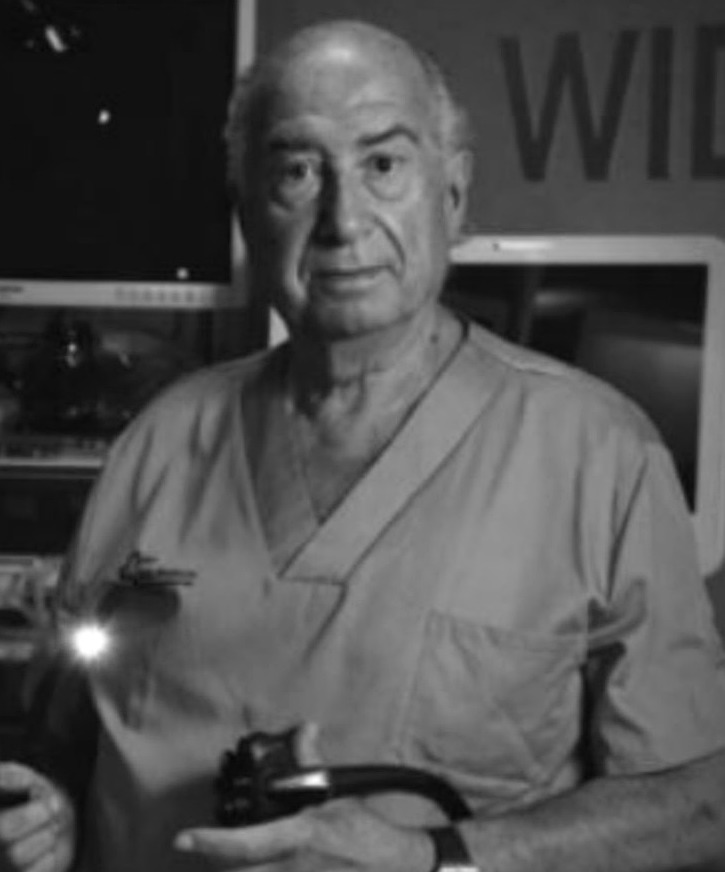
Josep Ramon Armengol-Miró
Director

Josep Ramon Armengol-Miró

Guimerà, 1944 — Barcelona, 2022

He studied medicine at the University of Barcelona and completed part of his training in France, working in Lyon with Bruno Moulinier as fibre optics were transforming endoscopy. In 1971 he joined Vall d’Hebron Hospital, where he developed most of his career.

At Vall d’Hebron he experienced — and helped drive — the shift from diagnostic to therapeutic endoscopy. During the 1970s he worked on systems for transmitting and recording endoscopic images and took part in international demonstrations of biliary procedures without open surgery. From 1992 he led the Digestive Endoscopy service.

His work had a constant international dimension. He served as President of the European Society of Gastrointestinal Endoscopy from 1994 to 1996, held roles in European and world endoscopy organisations and contributed for decades to the standardisation of endoscopic terminology. WIDER-Barcelona brought together many of those interests in one research and teaching project.

Alongside his work at Vall d’Hebron University Hospital, he led Digestive Endoscopy at Hospital Quirón Barcelona. In both settings his aim was to extend the therapeutic possibilities of endoscopy and adopt technology when it could produce a real clinical improvement.

After his death, medical institutions published tributes to his career and contribution to endoscopy.